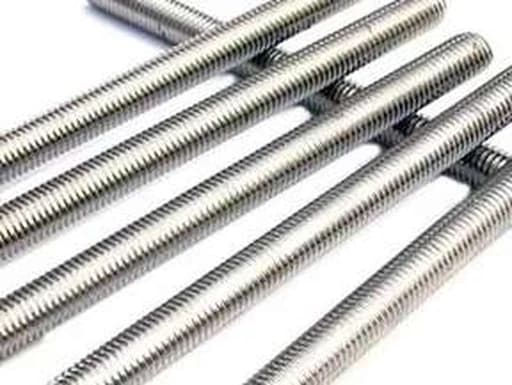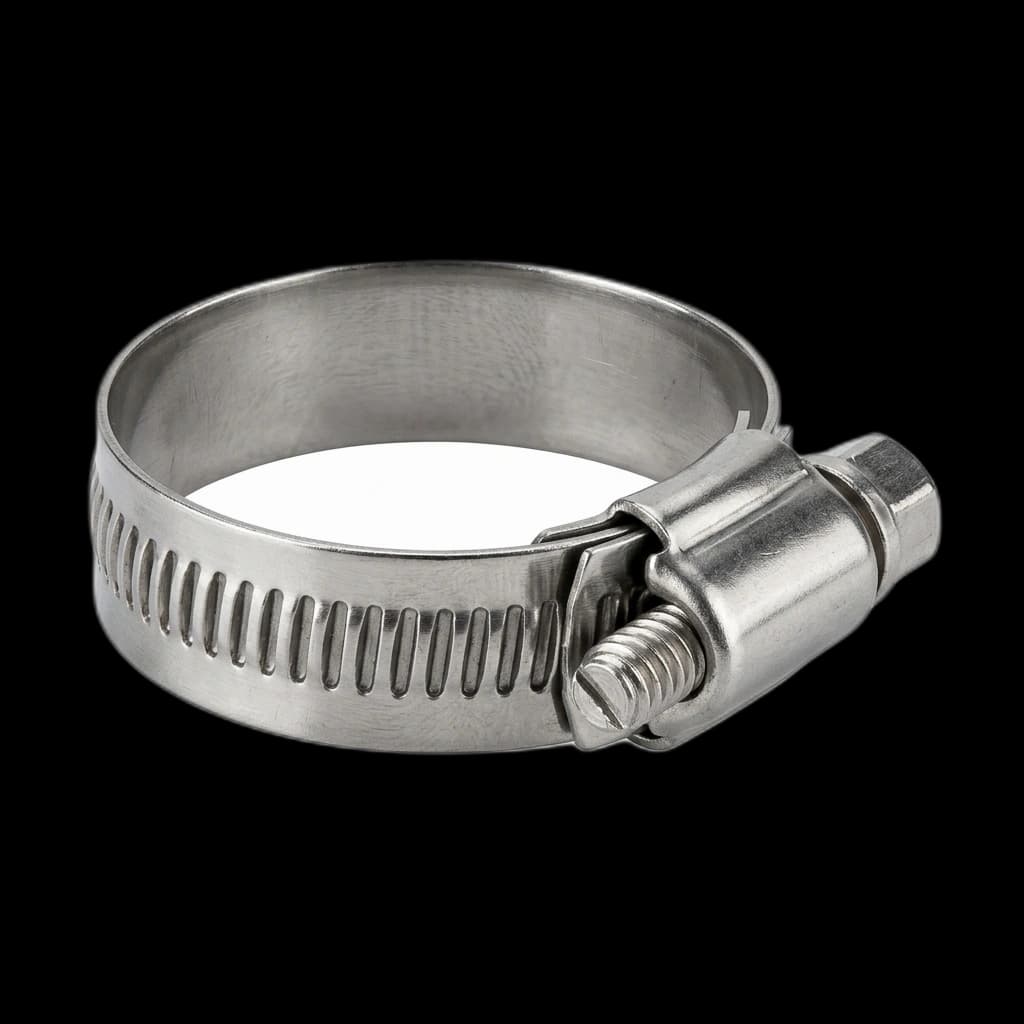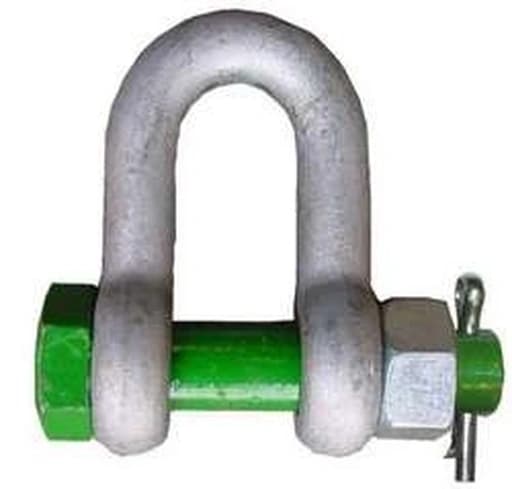
304 and 316 are both austenitic stainless steels, and side by side they can look identical — same silvery finish, same magnetic behaviour, same general strength range. The difference that actually matters is chemical, and it shows up the moment either one spends real time near salt water or aggressive chemicals.
The core difference: molybdenum
316 stainless contains roughly 2–3% molybdenum, which 304 doesn't have. That single alloying addition significantly improves resistance to pitting and crevice corrosion caused by chlorides — the kind of attack you get from salt spray, seawater, de-icing salts, or chlorinated washdown environments. It's why 316 is often labelled "marine grade" while 304 is sometimes called "food grade" or "18/8" stainless.
When 304 is genuinely enough
For indoor use, general fabrication, food-contact equipment, and most dry or mildly humid environments, 304 offers excellent corrosion resistance at a lower cost than 316. There's no benefit to over-specifying 316 for an application that will never see chloride exposure — it just adds cost and, in some sizes, longer lead times.
When you should insist on 316
- Marine and offshore hardware — deck fittings, rigging components, anything exposed to sea spray or immersion.
- Coastal construction and outdoor structures within reach of salt-laden air.
- Chemical processing, pharmaceutical, and washdown-heavy environments.
- Swimming pool and chlorinated water equipment.
A practical note on mixing grades
Avoid pairing 304 and 316 fasteners in the same assembly where possible, and especially avoid mixing stainless with plain or galvanized carbon steel in a wet environment — dissimilar metals in contact can accelerate galvanic corrosion of the less noble material. When in doubt on a marine or coastal job, specify 316 throughout.
Sabta Trading stocks both 304 and 316 stainless fasteners, with 316 marine-grade stock held specifically for rigging and marine hardware customers across the UAE.