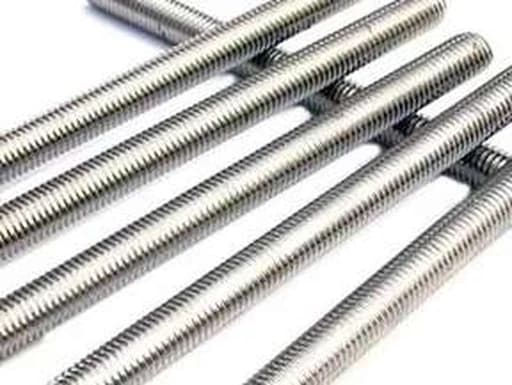
Order the "wrong standard" of an otherwise correct-looking bolt, and it may simply not thread into the nut you already have — or worse, it fits poorly enough to fail quietly under load. Fastener standards exist to make sure a part ordered from one supplier behaves identically to the same part ordered from another. Here's what the three letters you'll see most often actually mean.
DIN — Deutsches Institut für Normung
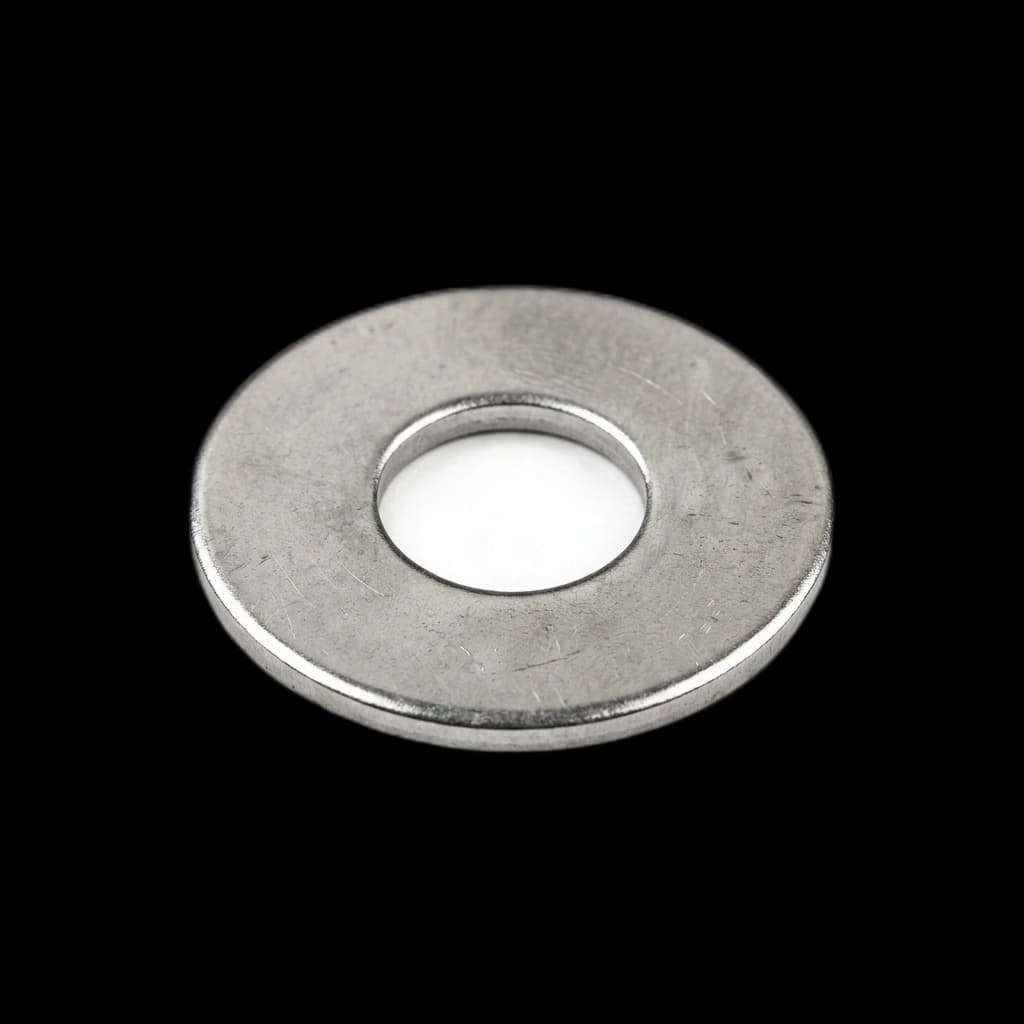
DIN is the German national standards body, and DIN fastener numbers (DIN 933 for hex bolts, DIN 934 for hex nuts, DIN 125 for flat washers, and many more) became the de facto industrial reference across Europe and much of the world during the 20th century. Many DIN fastener standards have since been formally superseded by their ISO equivalents, but the DIN numbers are still so widely used in catalogues and on drawings that they remain the everyday shorthand in the trade.
ISO — International Organization for Standardization
ISO standards exist to harmonize national standards into a single international reference, and for metric fasteners, ISO specifications are now the global baseline — often numerically and dimensionally identical, or very close, to the DIN standard they replaced. When a modern spec sheet calls out an ISO number instead of a DIN number for a common part, it's usually referencing the same geometry under its current, internationally recognized designation.
ANSI / ASME — the American standard
ANSI and ASME standards govern inch-based (imperial) fasteners, which use entirely different thread series — UNC (coarse) and UNF (fine) — from the metric threads used in DIN and ISO standards. A UNC bolt will not thread into a metric nut, no matter how close the diameters look. Equipment sourced from, or built to, North American specifications will typically call for ANSI/ASME hardware.
Why it matters when you're ordering
- Metric (DIN/ISO) and imperial (ANSI/ASME) fasteners are not interchangeable — always confirm which system your equipment uses.
- A DIN and its ISO-equivalent successor are usually interchangeable, but always confirm dimensions on critical or safety-related connections.
- Keep replacement parts consistent with the original standard the equipment was built to, especially for threaded connections under load.
- When in doubt, quote the full designation (e.g. DIN 933 M12 x 40, Grade 8.8) rather than a generic description.
Sabta Trading's catalogue spans DIN, ISO and common ANSI-equivalent fasteners — our team can help confirm the right standard before you place an order.