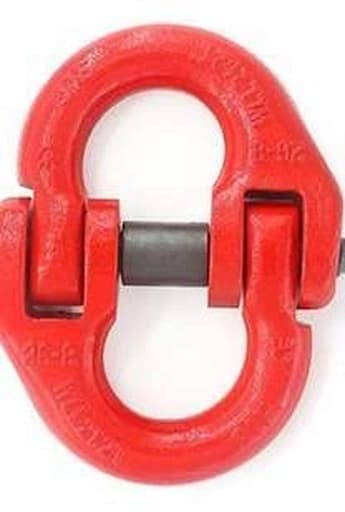
Chain grade determines what a length of chain is actually rated and certified to do — and Grade 70 and Grade 80 are two of the most commonly confused grades on a busy job site, precisely because they can look similar at a glance. Getting this wrong isn't a minor spec mismatch; it's a direct safety issue.
What "grade" means for chain
The grade number reflects the minimum tensile strength of the steel the chain is made from, along with the manufacturing and testing standard it's produced and proof-tested to. Higher grade generally means higher strength for a given chain diameter — but grade also determines what the chain is legally and practically approved for.
Grade 70 — transport chain
Grade 70 (sometimes called transport chain) is manufactured and heat-treated for load securement — tying down cargo on trucks and trailers. It's strong, widely available, and cost-effective for that job. What it is not designed, tested, or certified for is overhead lifting.
Grade 80 — lifting chain
Grade 80 is alloy steel chain manufactured specifically for overhead lifting and rigging, proof-tested to lifting standards, and typically supplied with matching Grade 80 hooks, links, and connecting hardware from the same certified system. When you see chain slings on a crane or hoist, this is the grade (or higher) doing the work.
Why the two should never be mixed up
Using Grade 70 transport chain for an overhead lift is a serious safety hazard: it hasn't been manufactured or proof-tested to lifting standards, and its actual behaviour under a dynamic overhead load is not something you can safely infer from its tie-down rating. The reverse mistake — over-specifying Grade 80 for simple tie-down duty — isn't dangerous, just unnecessarily expensive.
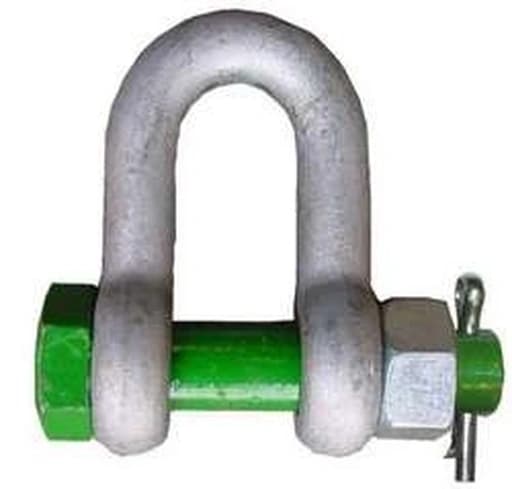
- Always match chain, hooks, shackles, and connecting links from the same grade and, ideally, the same manufacturer's certified system.
- Check for the grade marking stamped or embossed on the chain link itself before use.
- Keep lifting chain's inspection and certification records on file, and take chain out of service if it fails visual inspection.
- When a job involves overhead lifting, specify lifting-rated (G80 or higher) hardware — never transport chain.
Sabta Trading supplies both G70 transport chain and G80 lifting chain with matching connecting hardware — our team can help confirm the right grade for your application before you order.